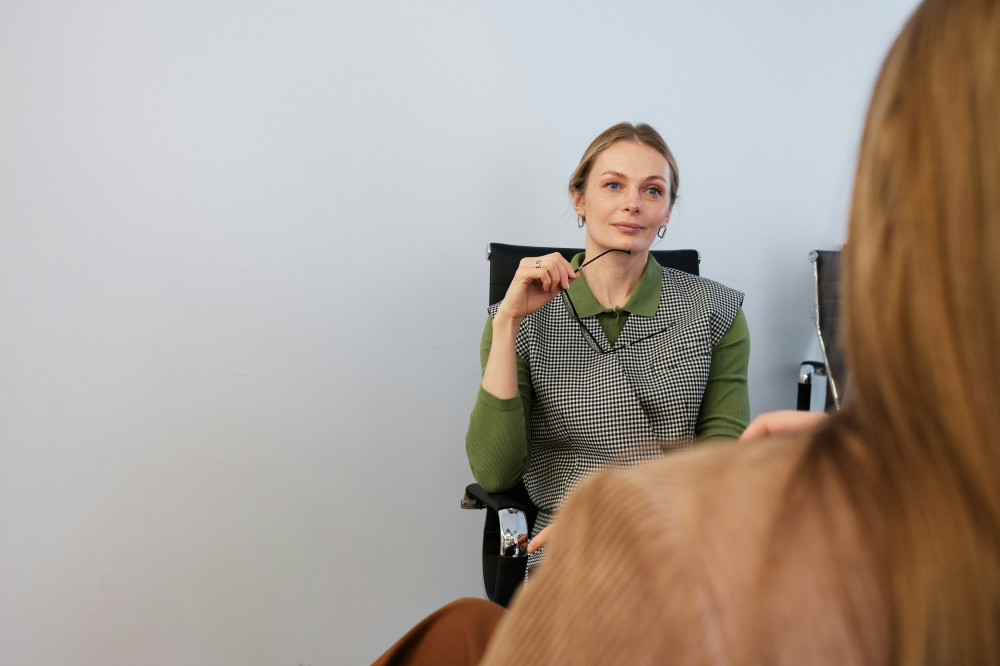
Conflicts as a Career Tool: How to Turn Disagreements into Professional Strength


Conflicts as a Career Tool: How to Turn Disagreements into Professional Strength
Most of us associate conflict with tension, frustration, or awkward meetings that we’d rather avoid. But in the workplace, disagreements can actually be a powerful source of growth, innovation, and stronger collaboration—if handled the right way. When people with different backgrounds, ideas, and ambitions work together, conflict is inevitable. The real question isn’t whether it will happen, but how you can use it to your advantage.
Here’s how to turn conflicts into a career tool that strengthens both your relationships and your professional impact.
Understand the Nature of Conflict
A conflict arises when interests, values, or needs collide. It might be a disagreement over a project direction, a clash in communication styles, or a difference in priorities. Many professionals try to avoid conflict altogether, but that often leads to suppressed frustration and lower engagement.
Recognizing that conflict is a natural part of teamwork is the first step. It signals that people care about the outcome and are invested in their work. When you start seeing conflict as feedback rather than a threat, you gain the ability to manage it with confidence and professionalism.
Create Clarity Through Dialogue
Open, honest dialogue is one of the most effective ways to turn conflict into progress. It takes courage to start the conversation, but that’s where real development happens.
- Listen actively – Seek to understand the other person’s perspective before defending your own.
- Use “I” statements – Say “I feel” or “I’ve noticed” instead of “You always,” to keep the tone constructive.
- Find shared goals – Ask, “What are we both trying to achieve?” to shift the focus from blame to solutions.
When you show that you can handle disagreements with respect and curiosity, you build credibility as a colleague and as a leader.
Separate the Issue from the Person
A common pitfall in conflict is taking things personally. When emotions run high, it’s easy to confuse criticism of an idea with criticism of yourself—or to assume the other person is being difficult rather than passionate.
Professional conflict management means keeping the focus on the issue, not the individual. If you can stay calm and separate the personal from the professional, you demonstrate maturity and emotional intelligence—qualities that are highly valued in any organization.
A helpful question to ask yourself is: “What is this really about?” Often, conflicts stem from miscommunication or unclear expectations rather than true disagreement.
Use Conflict as a Learning Opportunity
Every conflict offers a chance to learn—about yourself, your colleagues, and your work environment. Maybe you realize you tend to avoid confrontation when you should speak up, or that you react strongly to certain communication styles.
Reflecting on what a conflict teaches you can deepen your self-awareness and strengthen your collaboration skills. Many successful professionals point to challenging situations as the moments that shaped their leadership and resilience the most.
Conflict as a Driver of Innovation
When handled constructively, conflict can spark creativity and better decision-making. Disagreements push teams to question assumptions, explore alternatives, and see problems from new angles.
Teams that embrace healthy debate often make more thoughtful choices because they’ve considered multiple perspectives. This requires a culture where it’s safe to disagree—and where diversity of thought is seen as an asset, not a threat.
You can help build that culture by showing that you value honest feedback and are willing to engage in tough conversations with respect and openness.
Turning Conflict into a Career Advantage
Being able to manage conflict professionally is a highly sought-after skill. It shows that you can navigate complex situations, stay composed under pressure, and drive results through collaboration.
- Take initiative to address disagreements instead of waiting for them to fade.
- Show empathy and flexibility – qualities that make you someone others trust and want to work with.
- Apply what you learn from conflicts to improve your communication and leadership style.
When you master the art of turning disagreements into insight and improvement, conflicts stop being obstacles—they become fuel for your professional growth.
Læs også:



From Resistance to Strength
Conflict is unavoidable, but it doesn’t have to be destructive. In fact, it can be one of the most powerful catalysts for growth if you approach it with curiosity, respect, and a willingness to learn.
The ability to handle disagreements constructively isn’t just a social skill—it’s a career tool that can make you a more resilient, self-aware, and influential professional.
Læs også: