Digital Cafeteria – How Technology Strengthens Community and Food Culture in the Workplace

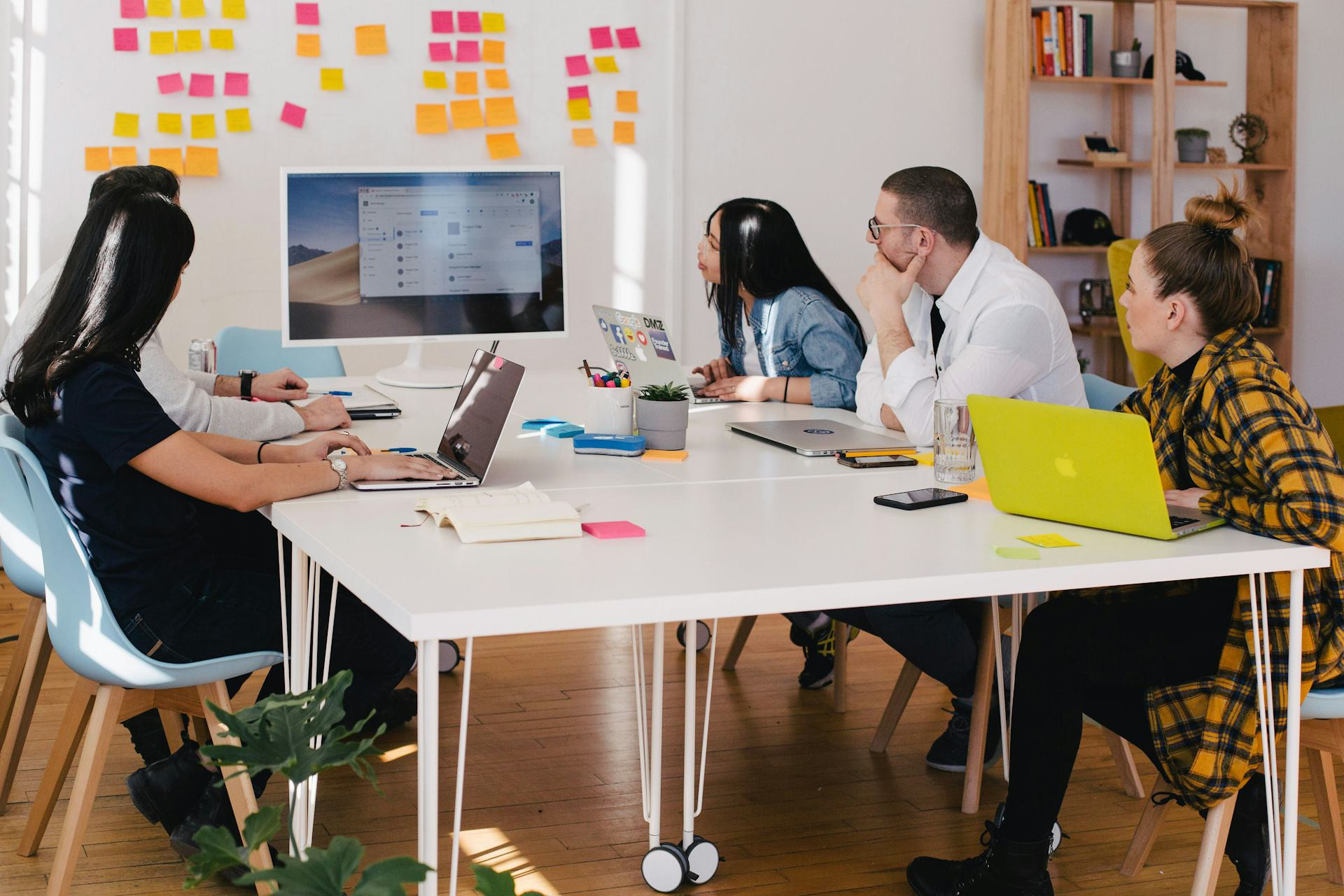
Digital Cafeteria – How Technology Strengthens Community and Food Culture in the Workplace
Lunch has always been more than just a meal at work—it’s a moment to pause, connect, and recharge. But as workplaces evolve, with hybrid schedules and teams spread across cities or even states, the traditional cafeteria is being reimagined. Enter the digital cafeteria: a modern approach that blends technology, community, and food culture to fit the realities of today’s American workplace.
What Is a Digital Cafeteria?
A digital cafeteria doesn’t replace the physical lunchroom—it enhances it. It’s a platform or app that helps employees plan, share, and participate in meals, whether they’re in the office, at home, or on the road. Through a digital cafeteria, employees can browse menus, pre-order meals, give feedback, or join themed lunch events. Some systems even include social features, allowing coworkers to share recipes, vote on next week’s dishes, or organize “lunch and learn” sessions.
For companies with multiple offices or remote teams, the digital cafeteria helps preserve the sense of togetherness that comes from sharing a meal—even when people aren’t sitting at the same table.
Technology as a Connector
Food is one of the most powerful ways to bring people together. When used thoughtfully, technology can amplify that connection. Digital platforms can host virtual lunch breaks, where colleagues log on to eat together and chat about life beyond work. Others use internal chat channels to create “lunch clubs,” where employees are randomly paired to meet new coworkers over a meal, whether in person or online.
Some organizations have even introduced “food challenges” or recipe exchanges through their digital cafeteria systems, turning everyday meals into opportunities for creativity and camaraderie. In this way, technology becomes a bridge—not a barrier—to human connection.
Data, Sustainability, and Reducing Waste
One of the biggest advantages of digital cafeteria solutions is the ability to use data to make workplace dining more sustainable. When employees pre-order meals, kitchens can plan portions more accurately, reducing food waste. Data insights can also reveal which dishes are most popular, helping caterers design menus that are both appealing and efficient.
Some platforms go a step further by showing the environmental impact of each meal, encouraging employees to make greener choices. It’s a small but meaningful way to align workplace dining with broader sustainability goals—something many U.S. companies are increasingly prioritizing.
Building Community Across Distance
The shift to hybrid work has made spontaneous office interactions rarer. The casual conversations that once happened in the cafeteria line or at the lunch table are harder to come by. A digital cafeteria can help fill that gap by creating new rituals that connect people across distances.
Imagine a company hosting a “virtual taco Tuesday,” where employees cook or order tacos at home and join a video call to share their creations. Or a digital cookbook compiled from employees’ favorite family recipes. These small initiatives can strengthen company culture and remind people that they’re part of a shared community—even when they’re miles apart.
Læs også:

Challenges and Opportunities
Of course, digital cafeterias aren’t without challenges. The technology must be easy to use and genuinely add value, not just become another app to manage. Privacy and data security are also key considerations, especially when collecting information about food preferences or habits. And inclusivity matters—solutions should accommodate different dietary needs, cultural backgrounds, and levels of tech comfort.
When implemented thoughtfully, however, a digital cafeteria can become a symbol of a forward-thinking workplace: one that uses technology to bring people together, not to isolate them.
The Future of Workplace Dining
The future of the workplace cafeteria is both physical and digital. It combines the warmth of shared meals with the flexibility of modern technology. It allows employees to connect over food, whether they’re in the same room or on opposite coasts. And it gives everyone a voice in shaping the company’s food culture.
Ultimately, the digital cafeteria isn’t just about what we eat—it’s about how we connect. It represents a new way of building community, where technology and humanity meet around one of life’s simplest and most meaningful rituals: sharing a meal.
Læs også: