The Home Office in Balance: How to Combine Comfort, Functionality, and Responsibility

The Home Office in Balance: How to Combine Comfort, Functionality, and Responsibility
Remote work is no longer a temporary solution—it has become a lasting part of how many Americans live and work. The home office is now a central space in daily life, offering flexibility and freedom, but also demanding thoughtful design. A well-balanced home office is not just about having a desk and a chair; it’s about creating harmony between comfort, functionality, and responsibility—toward yourself, your employer, and the environment.
Create a Space That Supports Focus
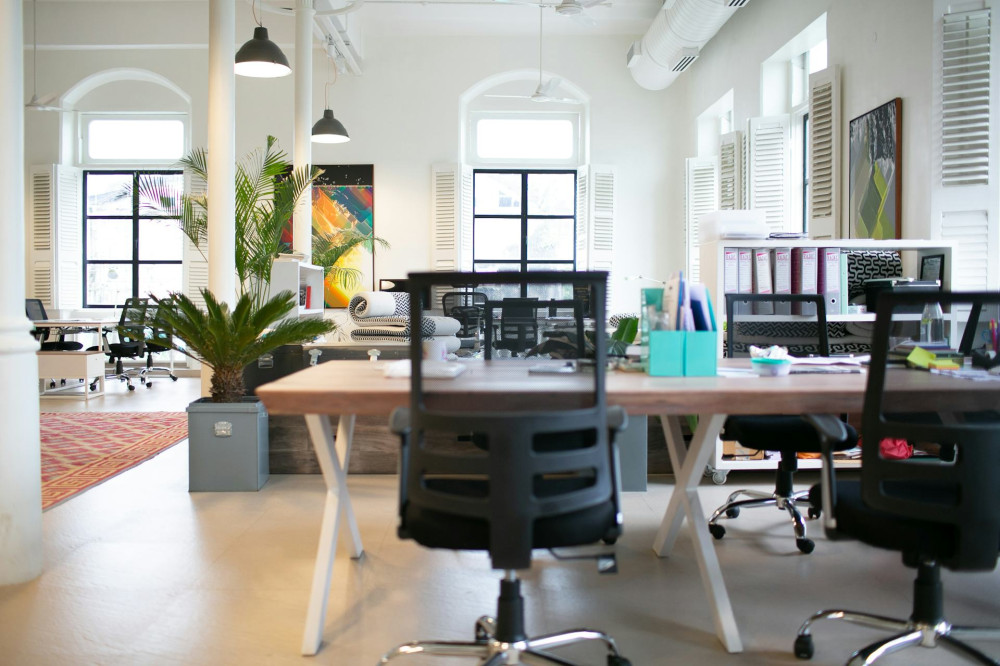
The first step to a productive home office is finding a place where you can work without constant distractions. It doesn’t have to be a separate room, but it should be a defined area that signals “work mode.” A corner of the living room, a converted guest room, or even a section of your bedroom can work well if you plan it carefully.
- Define your workspace – use a bookshelf, rug, or room divider to visually separate your work area.
- Prioritize lighting – natural daylight is best, but supplement it with a quality desk lamp that reduces glare.
- Keep it organized – a tidy desk helps clear your mind. Use drawers, baskets, or cable organizers to keep clutter out of sight.
When you create a physical boundary between work and home life, it becomes easier to make the mental shift between the two.
Læs også:




Comfort Is Not a Luxury—It’s Essential
Comfort directly affects productivity and health. Many people start out working from the couch or kitchen table, only to end up with sore shoulders and back pain. Investing in ergonomics is an investment in your well-being.
Choose an ergonomic office chair with adjustable height and lumbar support, and pair it with a desk that fits your body. If possible, consider a sit-stand desk so you can alternate between sitting and standing throughout the day.
Small details make a big difference: a footrest, a keyboard at the right height, and a monitor at eye level can prevent strain and fatigue. These adjustments help you stay comfortable and focused for longer stretches.
Functionality Means Structure and Routine
When your home becomes your workplace, the boundaries between professional and personal life can blur. That’s why structure is key—both in your physical setup and your daily rhythm.
- Set clear work hours, and take breaks as you would in an office.
- Start your day with intention – a cup of coffee, a short walk, or a few minutes of planning can set the tone.
- End your day deliberately – shut down your computer, tidy your desk, and step away to mark the end of work.
These small rituals help your brain switch gears and prevent burnout.
Responsibility: Think Sustainable and Social
Working from home also offers a chance to make more responsible choices—environmentally and socially. You’re already reducing your carbon footprint by skipping the commute, but you can go further.
- Choose sustainable materials – furniture made from FSC-certified wood, recycled fabrics, and energy-efficient lighting.
- Reduce energy use – unplug devices when not in use, and switch to LED bulbs.
- Support local businesses – buy office supplies or décor from U.S.-based makers and small companies that value transparency and craftsmanship.
Responsibility also extends to your social well-being. Remote work can be isolating, so make an effort to stay connected. Schedule virtual coffee breaks, join online communities, or plan occasional in-person meetups with colleagues to maintain a sense of belonging.
Make Room for Movement and Breaks
One of the biggest advantages of working from home is flexibility—use it to your benefit. Plan short breaks to stretch, walk, or simply step outside for fresh air. Movement boosts circulation and helps you recharge.
You can also integrate activity into your workspace: keep a yoga mat nearby, use a balance cushion, or stand for phone calls. It’s not about exercising intensely, but about keeping your body active and your energy steady.
A Home Office in Balance
A great home office is more than a functional workspace—it’s a reflection of your values and your way of working. When comfort, functionality, and responsibility come together, you create not only better workdays but also a more sustainable and fulfilling lifestyle.
Ultimately, it’s all about balance: between work and rest, efficiency and well-being, the personal and the professional. A home office in balance is a place where you can thrive—both as a professional and as a person.
Læs også: