Plan the Flow of Your Event Space – Make It Easy for Attendees to Find Their Way Around

Plan the Flow of Your Event Space – Make It Easy for Attendees to Find Their Way Around
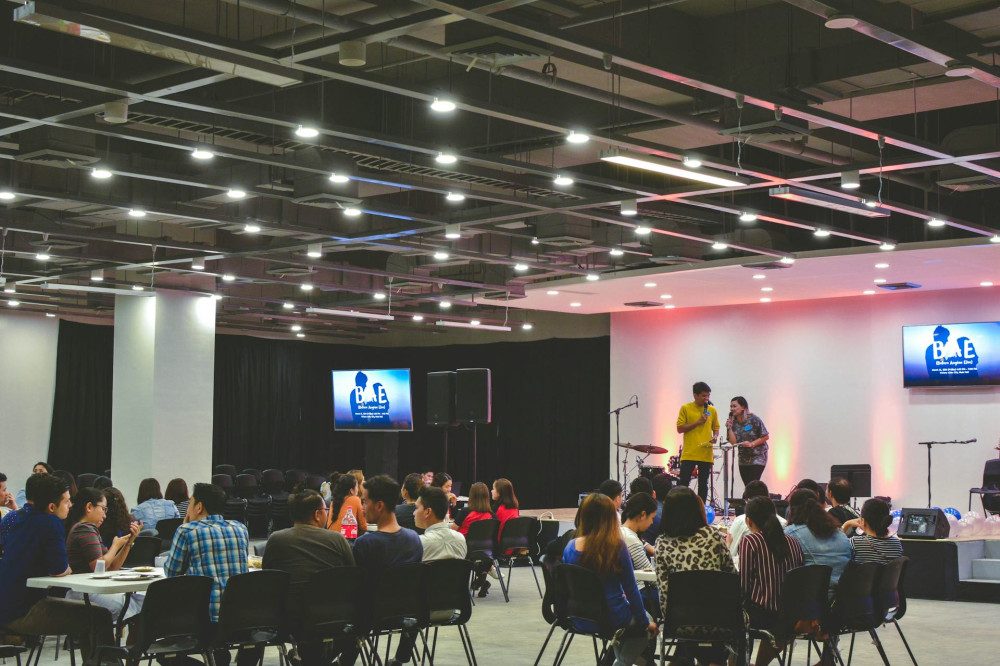
A successful event isn’t just about great content or a lively atmosphere – it’s also about how easily attendees can move through the space. A clear, well-thought-out flow can make the difference between confusion and a seamless experience. Whether you’re planning a conference, trade show, or networking reception, it’s worth investing time in designing how people will navigate your venue. Here’s how to plan a layout that helps attendees find their way effortlessly while supporting the goals of your event.
Start by Understanding the Attendee Journey
When planning your event flow, think like an attendee. Where do they arrive? What do they see first? Where do they go next? Mapping the attendee journey from arrival to departure helps you identify potential bottlenecks and confusing areas.
Sketch a simple floor plan and mark key points: entrance, registration, coat check, main stage, seating areas, food and beverage stations, and restrooms. Consider how people will naturally move between these points. A good flow feels intuitive – attendees shouldn’t have to stop and wonder where to go next.
Create Clear Zones and Logical Pathways
An event space works best when it’s divided into zones, each with a specific purpose. You might have a welcome area, presentation zone, networking lounge, and dining section. Make sure transitions between zones feel natural and don’t force people to cross paths unnecessarily.
- Keep main pathways clear – avoid placing tables, displays, or signage in high-traffic areas.
- Think directionally – for large crowds, one-way routes can reduce congestion.
- Build in natural pauses – small seating areas or coffee stations give attendees a chance to rest and reorient themselves.
Good flow isn’t just about movement; it’s about rhythm – balancing activity with moments of calm.
Læs også:

Use Signage and Visual Cues
Even the best layout can fail if people can’t find their way. Clear signage is essential. Use large, easy-to-read signs with simple arrows and short text. Color-coding can also help – for example, blue for sessions, green for food and beverage, and red for exits.
Visual cues like banners, lighting, or plants can help define zones and guide movement. These subtle markers make it easier for attendees to navigate without constantly searching for signs.
Plan for Arrival and Departure
The first and last moments of an event shape the overall impression. Make sure the arrival area is welcoming and easy to navigate. Provide clear signage for registration, coat check, and any welcome activities.
At the end of the event, ensure attendees can easily find exits and transportation options. If many people will be leaving at once, consider multiple exit points or a plan to prevent crowding.
Keep Accessibility and Comfort in Mind
A well-planned flow accommodates everyone, including attendees with disabilities. Ensure there’s enough space for wheelchairs, that signs are placed at accessible heights, and that routes are free of steep steps or narrow passages. Provide seating areas for those who need breaks.
Comfort matters too: good lighting, comfortable temperatures, and enough space to move freely all contribute to a positive experience. When people feel comfortable, they’re more likely to stay engaged and enjoy the event.
Test the Flow – and Adjust as Needed
Before the event begins, test your layout. Walk through the space yourself or have team members act as attendees to see where confusion might occur. Small adjustments – like moving a sign or shifting a table – can make a big difference.
During the event, observe how people move. If you notice congestion or confusion, be ready to adapt. A flexible setup with movable elements allows you to make quick improvements on the spot.
A Smooth Flow Creates a Better Experience
When attendees can easily find their way, they can focus on what truly matters – the content, the connections, and the overall experience. A well-planned flow creates calm, confidence, and a sense of professionalism. It’s an investment that pays off, whether you’re hosting an intimate seminar or a large-scale conference.
Læs også: