Automation in Motion – Current Trends in Warehouse Technology

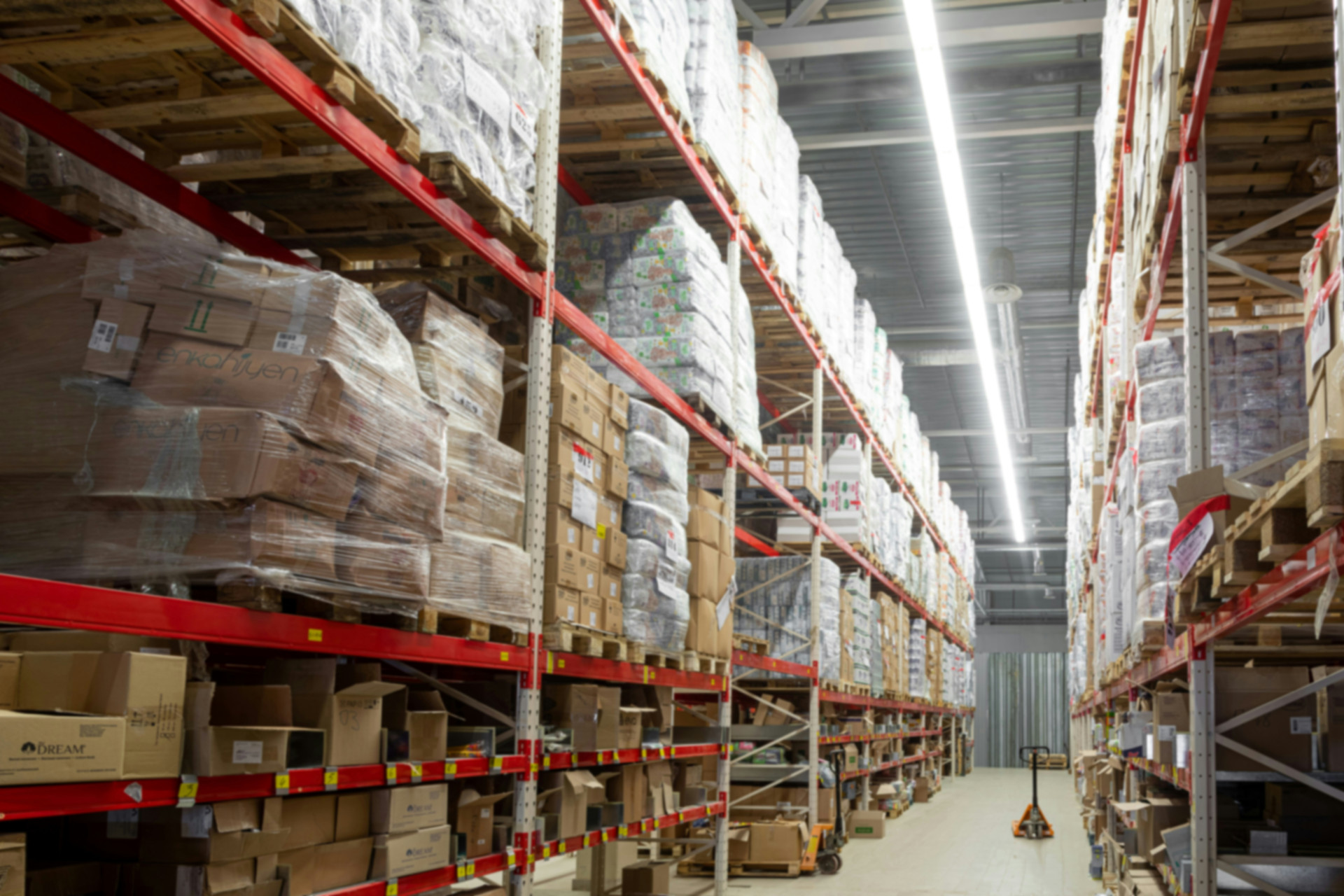
Automation in Motion – Current Trends in Warehouse Technology
Automation has long been part of warehouse operations, but in recent years, the pace of innovation has accelerated dramatically. Driven by e-commerce growth, labor shortages, and rising expectations for faster delivery, new technologies are reshaping how goods move from shelf to shipment. From collaborative robots and artificial intelligence to modular systems and sustainable solutions, warehouse technology in the U.S. is evolving faster than ever.
Robots That Work Alongside People
Traditional, fixed industrial robots are increasingly being replaced by mobile and collaborative robots—known as cobots. These machines can navigate warehouse floors, pick items, and assist workers in packing and sorting tasks.
The key advantage is flexibility. Cobots can be reprogrammed quickly for new tasks and operate safely alongside humans without extensive safety barriers. This makes them ideal for warehouses where product assortments and order volumes change frequently.
At the same time, cobots help reduce physically demanding work, improving both efficiency and workplace safety—an important factor in an industry facing ongoing labor challenges.
Data and Artificial Intelligence as the Brain Behind Operations
While robots handle the physical movement of goods, data and artificial intelligence (AI) provide the intelligence that drives decision-making. Modern warehouse management systems (WMS) use advanced algorithms to forecast demand, optimize picking routes, and minimize downtime.
AI can analyze massive amounts of data from sensors, order histories, and transportation networks to make real-time adjustments. This allows warehouses to respond quickly to market changes—for example, by repositioning inventory closer to high-demand regions or adjusting staffing levels dynamically.
For many U.S. companies, the question is no longer if they should use AI, but how to integrate it effectively into their existing logistics systems.
Læs også:
Flexibility and Scalability Take Center Stage
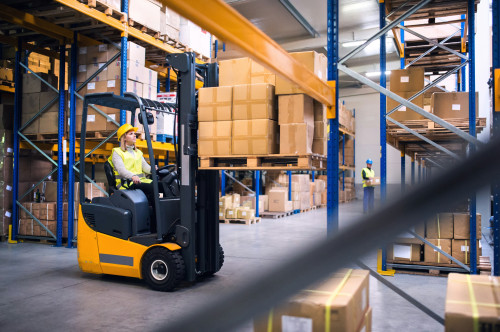
In the past, automation often meant large, fixed installations that required heavy investment and long implementation times. Today, the trend is toward modular and scalable solutions that can grow with the business.
Automated systems can now be deployed step by step—from a few autonomous mobile robots to fully integrated facilities. This approach allows small and mid-sized companies to adopt automation without committing to massive upfront costs, while still leaving room to expand as demand increases.
This flexibility is especially valuable in the U.S. market, where consumer expectations for same-day or next-day delivery continue to rise, and supply chains must adapt quickly to shifting conditions.
Sustainability and Energy Efficiency
Automation isn’t just about speed and productivity—it’s also about sustainability. New technologies are helping warehouses reduce energy consumption, optimize space, and minimize waste.
Automated systems can control lighting and climate based on activity levels, while intelligent routing software reduces unnecessary travel within the facility. Many robots and vehicles now run on rechargeable, energy-efficient batteries, and some warehouses are integrating renewable energy sources such as solar panels to power operations.
For American companies, green automation is becoming a competitive advantage—meeting both environmental goals and customer expectations for responsible business practices.
People at the Heart of the Automated Warehouse
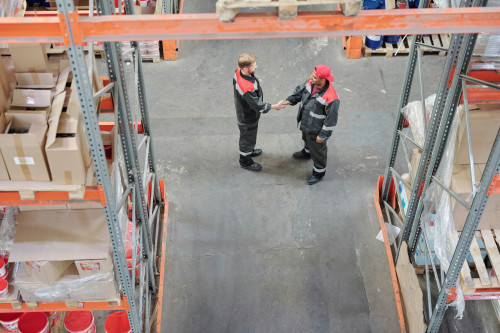
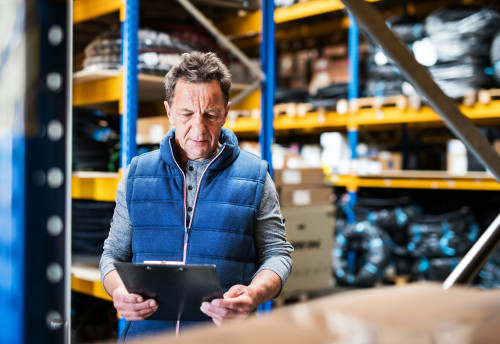
Even as technology takes on a larger role, people remain central to warehouse success. Automation frees workers from repetitive tasks but also creates new demands for technical and analytical skills.
Employees must be able to monitor systems, interpret data, and collaborate with machines. As a result, many U.S. companies are investing in training and upskilling programs to prepare their workforce for the digital warehouse era.
The most effective operations are those where humans and machines complement each other—combining human judgment and adaptability with robotic precision and consistency.
The Future Warehouse – Dynamic and Data-Driven
The warehouse of the future is not a static storage space but a dynamic hub where technology, data, and people interact in real time. Automation is becoming smarter, more flexible, and more accessible, transforming how logistics and supply chains operate across the United States.
For businesses aiming to stay competitive, it’s no longer enough to have automation—it’s about using it strategically. The warehouse is no longer just a place to store goods; it’s a vital engine driving the entire business forward.
Læs også: