Collaboration in Logistics: Share Warehouse Costs and Risks Through Strategic Partnerships


Collaboration in Logistics: Share Warehouse Costs and Risks Through Strategic Partnerships
As supply chains grow more complex and customer expectations for speed and flexibility continue to rise, collaboration in logistics has become a key competitive advantage. Across the United States, companies are facing similar challenges: rising warehouse costs, unpredictable demand, and pressure to deliver faster and more sustainably. One solution gaining traction is the formation of strategic partnerships—where businesses share warehouse facilities, transportation resources, and operational risks to achieve greater efficiency and resilience.
Why Share Warehousing and Logistics?
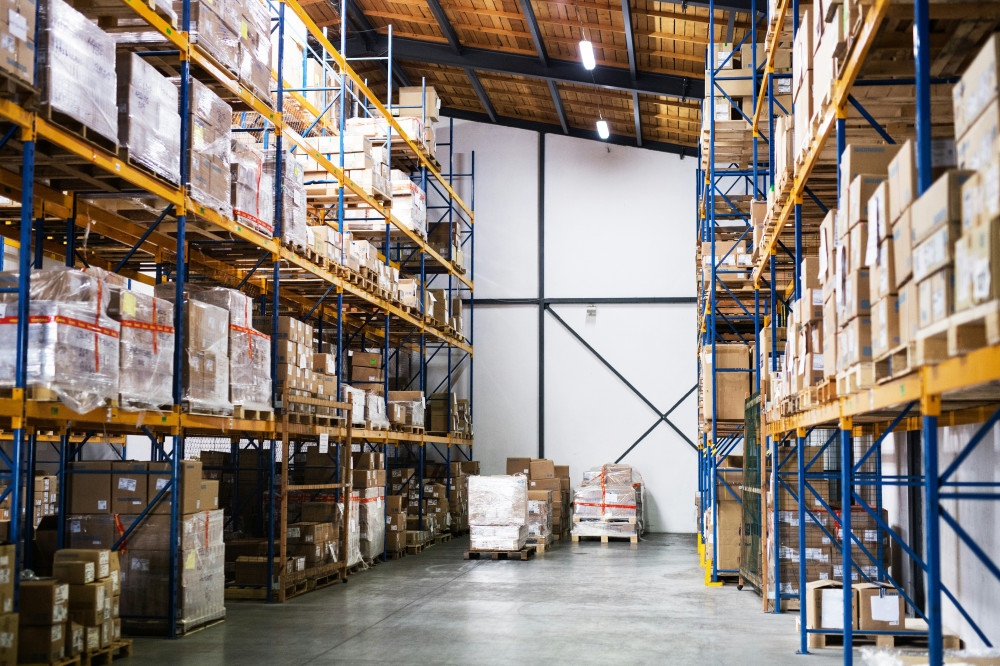
Traditionally, companies have managed their own warehouses and transportation networks. While this offers control, it also comes with high fixed costs and limited flexibility. When demand fluctuates, capacity may sit idle or fall short. By sharing warehouse space and logistics resources with other businesses, companies can optimize capacity utilization, reduce waste, and lower per-unit costs.
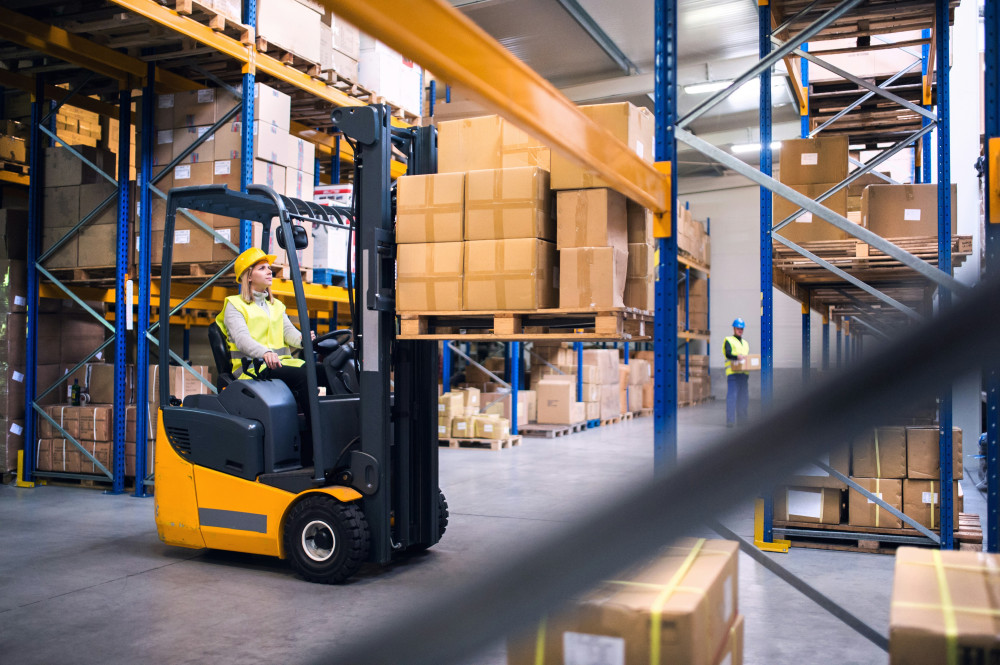
A shared warehouse can mean multiple companies using the same staff, equipment, and IT systems. This not only reduces overhead but also allows for faster response to market changes. For example, a regional food distributor might share space with a consumer goods company, balancing seasonal peaks and ensuring steady use of resources. Shared logistics can also open access to new geographic markets that would otherwise be too costly to serve independently.
Læs også:

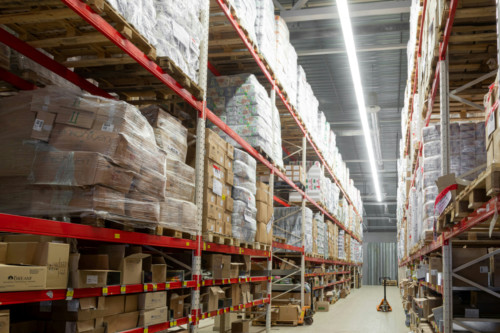

Sharing Risks in an Uncertain World
Recent years have underscored how vulnerable supply chains can be. From global pandemics to geopolitical tensions and raw material shortages, disruptions have become the norm rather than the exception. Strategic partnerships allow companies to distribute both financial and operational risks more effectively.
By collaborating, businesses can build joint buffer inventories, share transportation networks, and coordinate procurement. This means that fluctuations in demand or delays in supply have a smaller impact on each individual company. Partnerships also make it possible to co-invest in automation, robotics, and digital tracking systems—technologies that might be too expensive for a single company to implement alone.
How to Build a Strategic Logistics Partnership
A successful partnership is about more than just sharing a building. It requires trust, transparency, and well-defined agreements. Here are some key steps to consider:
- Define shared goals: Clarify what the partnership aims to achieve—lower costs, faster delivery, improved sustainability, or all of the above.
- Choose the right partner: Look for companies with compatible values and complementary needs. For instance, a retailer with steady year-round demand might pair well with a manufacturer that experiences seasonal peaks.
- Set clear terms: Establish contracts that outline ownership, cost-sharing, data exchange, and procedures for handling unexpected events.
- Invest in shared systems: A common warehouse management system (WMS) and transparent data sharing are essential to avoid inefficiencies and misunderstandings.
- Review and adapt: Partnerships should evolve over time. Regular evaluations help ensure that the collaboration continues to deliver value for all parties involved.
Sustainability as a Shared Benefit
Beyond cost savings, collaborative logistics can also drive sustainability. When multiple companies share transportation and warehouse resources, the number of empty miles and the energy used per unit of goods decrease. This reduces carbon emissions and helps companies meet growing environmental expectations from both customers and regulators.
Across the U.S., logistics providers are increasingly offering “multi-client” or “co-warehousing” solutions, where several businesses share space, labor, and infrastructure. These models enable route optimization, reduced packaging waste, and more efficient use of energy and materials—key steps toward greener supply chains.
The Future of Logistics Is Collaborative
As digitalization and globalization continue to reshape the logistics landscape, collaboration is no longer just an option—it’s a necessity. Companies that embrace strategic partnerships will be better equipped to handle volatility, scale efficiently, and meet the demands of a rapidly changing market.
Sharing warehouse costs and risks requires openness and a willingness to rethink traditional models. But the rewards are significant: lower costs, greater flexibility, and a more resilient supply chain. In the end, logistics collaboration isn’t about competition—it’s about building networks where everyone can win.
Læs også: