Recycling in the Warehouse: How Packaging Materials Get a Second Life

Recycling in the Warehouse: How Packaging Materials Get a Second Life
Every day, warehouses across the United States handle massive amounts of packaging—cardboard boxes, plastic wrap, packing peanuts, and pallets. Much of it ends up as waste, even though a large portion can be reused or recycled. Giving packaging materials a second life isn’t just about cutting costs; it’s also about reducing environmental impact and building a more sustainable operation. Here’s how your warehouse can make recycling and reuse part of its daily routine.
Start by Tracking Your Packaging Use
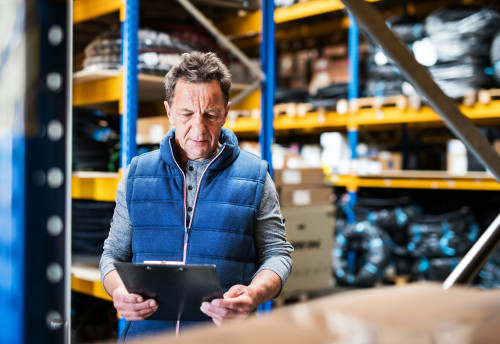
The first step toward better recycling is understanding how much packaging your warehouse actually uses—and where it goes. Keep a simple record of the materials that come in and out: cardboard, plastic, wood, metal, or others. Note how much is discarded and how much could potentially be reused or recycled.
Once you have a clear picture, it’s easier to identify where improvements can be made. You might find that supplier boxes can be reused several times, or that stretch wrap can be replaced with reusable alternatives.
Læs også:
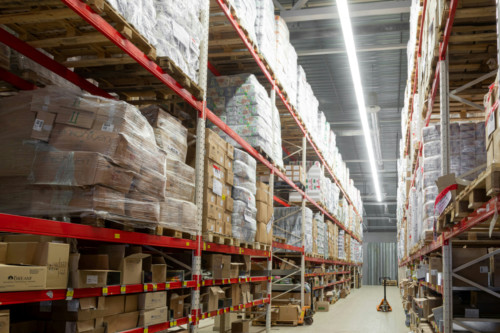
Give Boxes and Packing Materials Another Round
Cardboard boxes are among the easiest materials to reuse. Many can handle multiple trips if they’re handled carefully. Create a routine where employees check whether boxes are still in good condition before tossing them. Label reusable boxes so they’re easy to identify and grab for the next shipment.
The same goes for packing materials like paper, bubble wrap, or air pillows. If they’re still clean and intact, they can be reused. Set up a designated area in the warehouse where usable packing materials are collected and stored for future use.
Choose Reusable Alternatives
Today, there are many options that can replace single-use packaging. Reusable plastic totes, collapsible pallet containers, and fabric bags can be used again and again—and often pay for themselves over time. They’re more durable, protect products better, and significantly reduce waste.
Consider working with suppliers and customers to create return programs where packaging is sent back and reused. It takes coordination, but the environmental and financial benefits can be substantial.
Make Recycling Easy and Organized
For recycling and reuse to work in practice, it has to be simple for employees. Use clear signage and dedicated spaces for recyclable and reusable materials. Provide straightforward guidelines on what can be reused and how it should be handled.
It can also help to appoint a “recycling champion” who oversees the process, ensures materials are sorted correctly, and keeps the system running smoothly. When recycling becomes part of the daily workflow, it quickly turns into a habit.
Think Creatively and Share Ideas
Recycling isn’t just about using materials the same way again. Some warehouses have found creative ways to repurpose old pallets into shelving, use worn boxes for small-item storage, or turn scrap plastic into protective padding for shipments. Small, inventive solutions can make a big difference.
Share your experiences within your company or with others in your industry. Learning from how other warehouses approach recycling can spark new ideas and improvements.
Measure the Impact and Tell the Story
Once you start reusing and recycling packaging materials, track the results. How much waste have you reduced? How much money have you saved on new packaging? These numbers can be powerful tools for internal motivation and external communication, showing that your business is serious about sustainability.
Share your progress with employees, customers, and partners. It builds pride and strengthens your company’s green reputation.
Small Steps, Big Results
Giving packaging materials a second life doesn’t require major investments from day one. Often, small changes in routines and habits can make a noticeable difference. Start with the easiest improvements and build from there. Over time, recycling and reuse can become a natural part of your warehouse culture—benefiting the environment, your bottom line, and your team’s sense of purpose.
Læs også: