Construction Management in Development: Experience, Reflection, and Continuing Education as Pathways to Stronger Competencies

Construction Management in Development: Experience, Reflection, and Continuing Education as Pathways to Stronger Competencies
The construction industry in the United States is evolving at a rapid pace. New technologies, sustainability standards, and increasingly complex project structures are reshaping what it means to be a construction manager. Where hands-on experience once defined the role, today’s professionals must also master digital tools, leadership, and strategic communication. Construction management is no longer just about building structures—it’s about building systems, teams, and knowledge. Experience, reflection, and continuing education together form the foundation for stronger professional competencies.
Experience as the Foundation
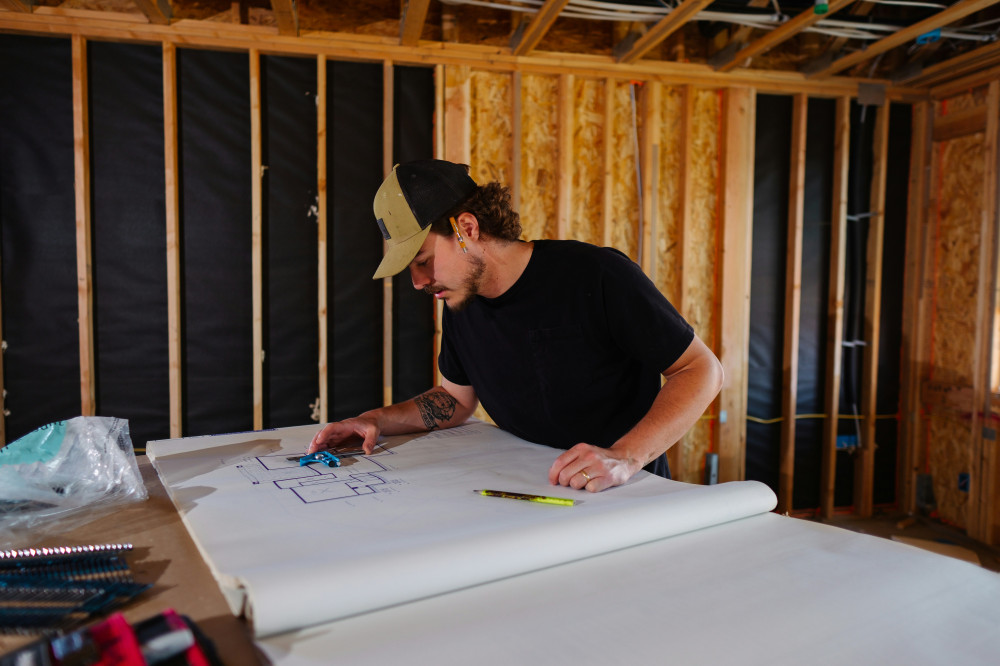
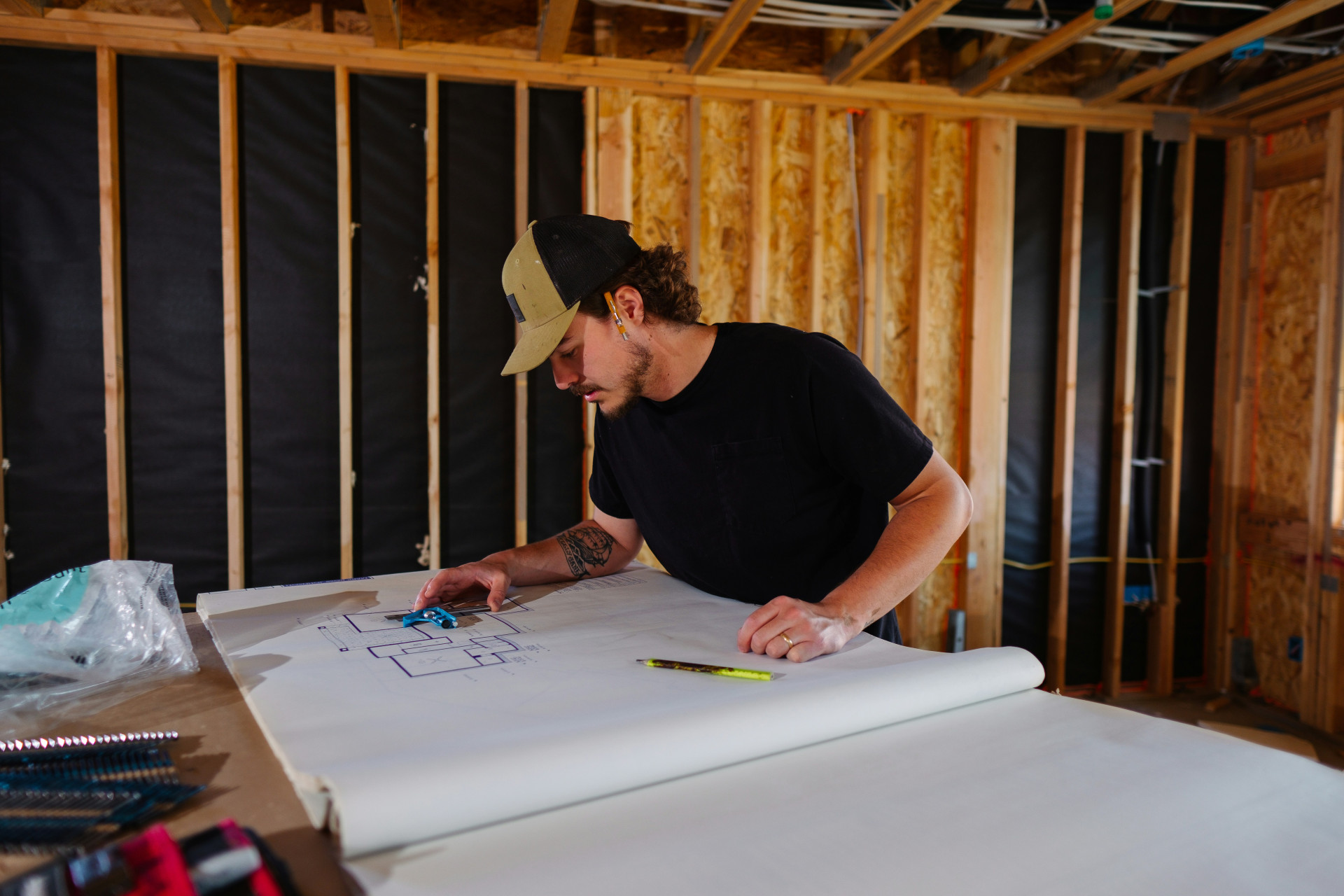
Experience remains the cornerstone of effective construction management. The practical understanding of materials, workflows, and on-site collaboration cannot be learned solely from textbooks. Many construction managers began their careers in the trades, gaining firsthand insight into the challenges that crews face daily. This background fosters respect, credibility, and a deep appreciation for the realities of the job site.
However, experience alone is no longer sufficient. It must be applied in new ways—as a basis for decision-making, leadership, and process improvement. Modern construction managers must translate their experience into knowledge that can be shared, documented, and used to enhance project outcomes. The ability to connect field experience with strategic planning is what distinguishes a competent manager from an exceptional one.
Reflection as a Driver of Growth
Reflection is what turns experience into learning. In a fast-paced construction environment, it’s easy to move from one project to the next without pausing to evaluate what worked and what didn’t. Yet the most effective managers take time to look back: What decisions led to success? What could be improved next time? How did leadership choices affect team morale and project results?
Reflection can happen individually—through journaling, mentorship, or professional coaching—but it’s often most powerful when done collectively. Many U.S. firms now conduct post-project reviews or “lessons learned” sessions, where teams openly discuss successes and setbacks. This practice fosters a culture of transparency and continuous improvement, where mistakes become opportunities for growth rather than sources of blame.
Continuing Education as the Key to Future Competence
Continuing education plays an increasingly vital role in the development of construction managers. The industry faces new demands: sustainable building practices, digital project management, and evolving safety regulations. Staying current requires ongoing learning. Courses in Lean Construction, Building Information Modeling (BIM), risk management, or leadership communication can provide valuable tools that enhance both efficiency and collaboration.
Across the U.S., universities, trade associations, and professional organizations such as the Construction Management Association of America (CMAA) and Associated General Contractors (AGC) offer specialized programs for construction managers. These programs blend theory with real-world application, allowing professionals to strengthen their skills without stepping away from their careers. Many participants find that continuing education not only sharpens their technical abilities but also renews their motivation and expands their professional networks.
Leadership in a Complex Environment
Construction management today is as much about people as it is about projects. Projects are larger, schedules tighter, and teams more interdisciplinary than ever before. A successful construction manager must build trust, communicate clearly, and resolve conflicts before they escalate. This requires both technical expertise and emotional intelligence.
Leadership competencies such as empathy, clarity, and the ability to inspire others have become just as critical as knowledge of codes and contracts. When pressure mounts and deadlines loom, these “soft skills” often determine whether a project succeeds or falters. The best managers understand that leading people effectively is the key to delivering quality work safely and efficiently.
Læs også:


An Industry in Motion
The U.S. construction industry stands at the intersection of major transformations—from the push for carbon-neutral buildings to the integration of artificial intelligence and automation. These shifts demand adaptability and lifelong learning. The construction managers who will thrive in this environment are those who combine the weight of experience with curiosity and a commitment to growth.
Developing stronger competencies in construction management is not about starting over—it’s about building on what already works, with reflection and education as the tools for progress. When experience, reflection, and learning come together, they create professionals who not only manage projects but also lead innovation and shape the future of the industry.
Læs også: