Design Thinking in Construction: Creating Buildings That Deliver Value for Users

Design Thinking in Construction: Creating Buildings That Deliver Value for Users
Buildings are more than concrete, steel, and glass—they shape how people live, work, and connect. In an era defined by sustainability goals, flexible work environments, and growing attention to well-being, it’s no longer enough for buildings to simply meet technical standards. They must create real value for the people who use them. This is where design thinking—a human-centered approach borrowed from the design world—can help the construction industry rethink how buildings are conceived, designed, and delivered.
What Is Design Thinking?
Design thinking is a structured yet creative process for solving complex problems. Instead of starting with technical requirements or budgets, it begins with empathy—understanding the people who will use the space and what they truly need.
The process typically includes five phases:
- Empathize – Learn about users and their challenges through observation and interviews.
- Define – Frame the problem based on insights from the research.
- Ideate – Generate a wide range of possible solutions without judging them too early.
- Prototype – Create quick models or visualizations of the ideas.
- Test – Try out the solutions with users and refine them based on feedback.
In construction, this approach can be applied to everything from designing new office buildings to renovating schools, hospitals, or housing developments.
From Technical Requirements to Human Needs
Traditional construction projects often start with technical specifications, budgets, and schedules. These are essential—but they don’t tell the whole story. Design thinking flips the perspective: What should the building do for the people who will use it?
A hospital, for example, can be designed around patient comfort and staff efficiency. A corporate office can be shaped by employees’ needs for collaboration, focus, and well-being. When user experiences become part of the design process, the result is buildings that not only function but also feel right to inhabit.
Collaboration Across Disciplines
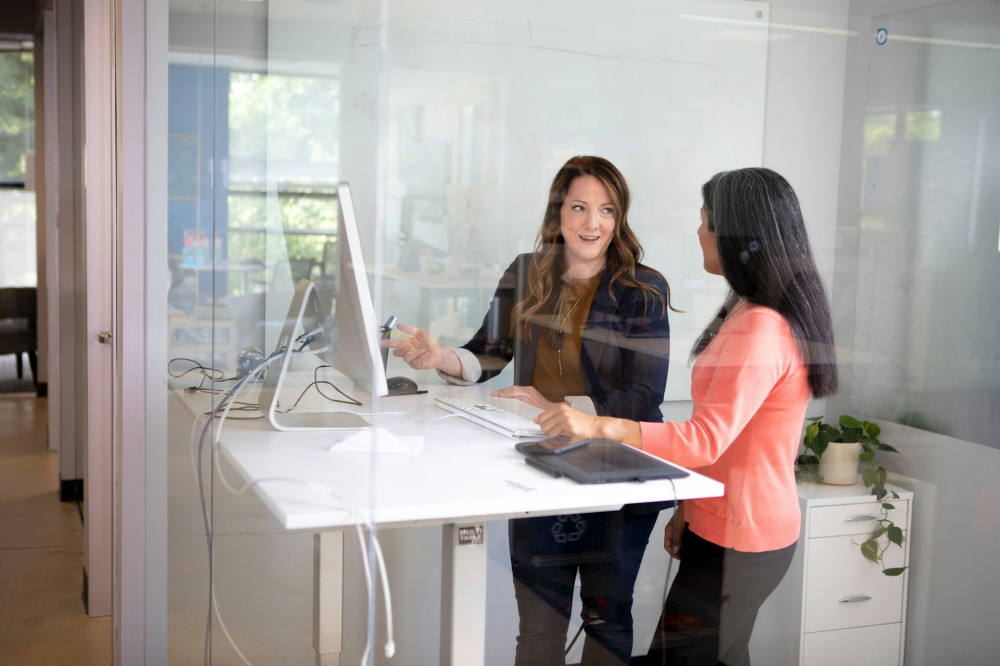
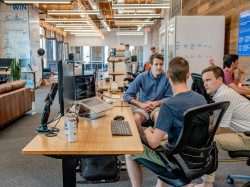
Design thinking thrives on collaboration. Construction projects bring together architects, engineers, contractors, developers, and end users—each with their own expertise. The design thinking process provides a shared language and framework that helps these groups work together more effectively.
Workshops, interviews, and visual prototypes make it easier to exchange ideas and test them early. This reduces misunderstandings and costly changes later in the project while fostering a more engaged and creative team.
Læs også:
Prototyping in Construction: From Sketch to Experience
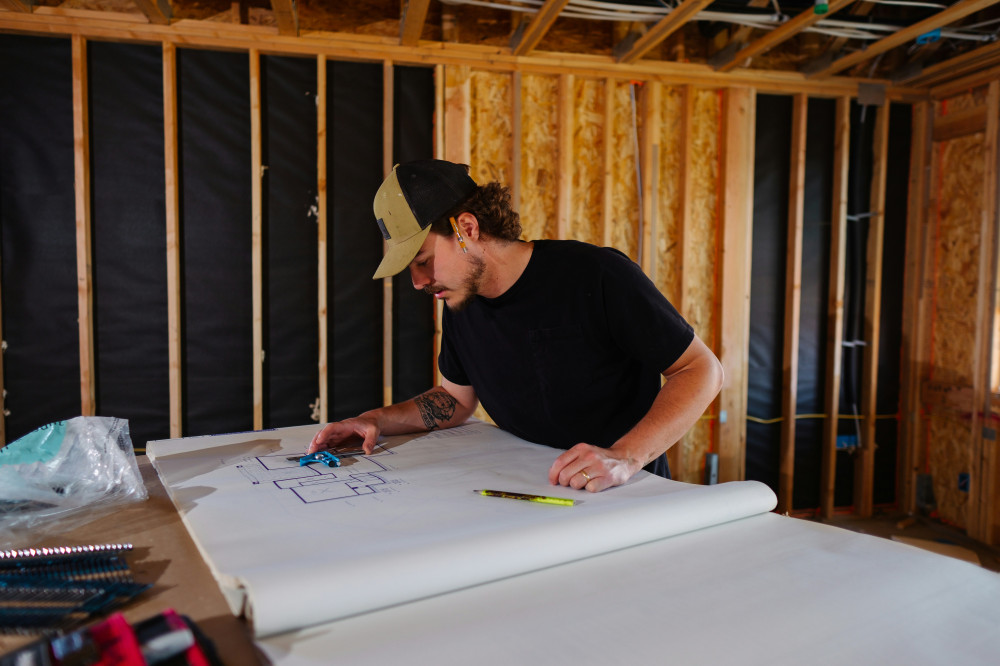
In product design, prototypes are often small models or digital mockups. In construction, prototypes can take many forms: a 3D model, a virtual reality walkthrough, or a full-scale mockup of a room. The key is to let people experience the design before it’s built.
When future occupants can walk through a virtual version of their building, they often notice details that might otherwise be missed—such as lighting, acoustics, or circulation patterns. This feedback is invaluable and can be integrated before construction begins, saving time and improving outcomes.
Sustainability and Long-Term Value
Design thinking aligns naturally with sustainable building practices. By understanding how people use spaces, designers can create buildings that are more efficient, adaptable, and durable. A flexible building that can evolve with changing needs is, in itself, a sustainable investment.
When users feel ownership and satisfaction, they are more likely to care for the building and use it responsibly. This creates value not only for individuals but also for communities and the environment.
Getting Started
Adopting design thinking doesn’t require a complete overhaul of existing processes. It can start small:
- Engage users early – Conduct interviews or observations before finalizing the design.
- Host cross-disciplinary workshops – Bring together architects, engineers, and users to co-create ideas.
- Visualize and test – Use sketches, models, or VR tools to explore and refine solutions.
- Evaluate and learn – Apply lessons from one project to improve the next.
The most important step is to stay curious and view the building as a living system designed for people—not just a technical product.
Buildings That Make a Difference
When design thinking is applied to construction, the focus shifts from delivering a product to creating an experience. It’s not just about completing a project on time and on budget—it’s about shaping environments that support life, learning, work, and community.
Buildings designed with users at the center are not only more functional and beautiful—they are meaningful. And that, ultimately, is what creates lasting value.
Læs også: