Stop Wasting Energy! How Planning and Material Choices Make Commercial Construction More Energy-Efficient

Stop Wasting Energy! How Planning and Material Choices Make Commercial Construction More Energy-Efficient
Energy use in commercial buildings is one of the largest contributors to both operating costs and carbon emissions in the United States. Yet much of that wasted energy could be prevented long before a building ever opens its doors. With thoughtful planning, smart material choices, and an integrated design approach, companies can create buildings that are not only more sustainable but also more cost-effective to operate. Here’s how strategic decisions during design and construction can make a lasting difference.
Think Energy Efficiency from the Start
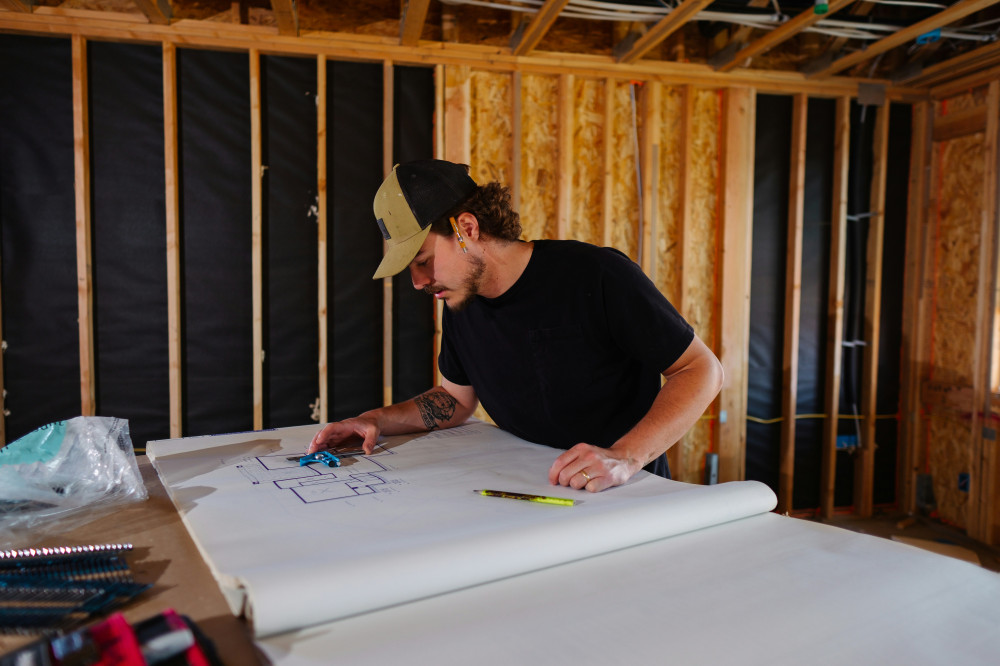
Energy efficiency doesn’t begin when the lights are turned on—it begins on the drawing board. Early in the design phase, decisions about building orientation, shape, and function have a major impact on long-term energy performance. A building that maximizes natural daylight while minimizing heat gain will require far less energy for lighting and cooling.
Window placement, roof design, and insulation levels should be tailored to the building’s purpose and local climate. An office complex in Texas faces different challenges than a warehouse in Minnesota. Involving energy consultants and architects experienced in sustainable design early in the process helps prevent costly inefficiencies later on.
Choose Materials That Save Energy and Last Longer
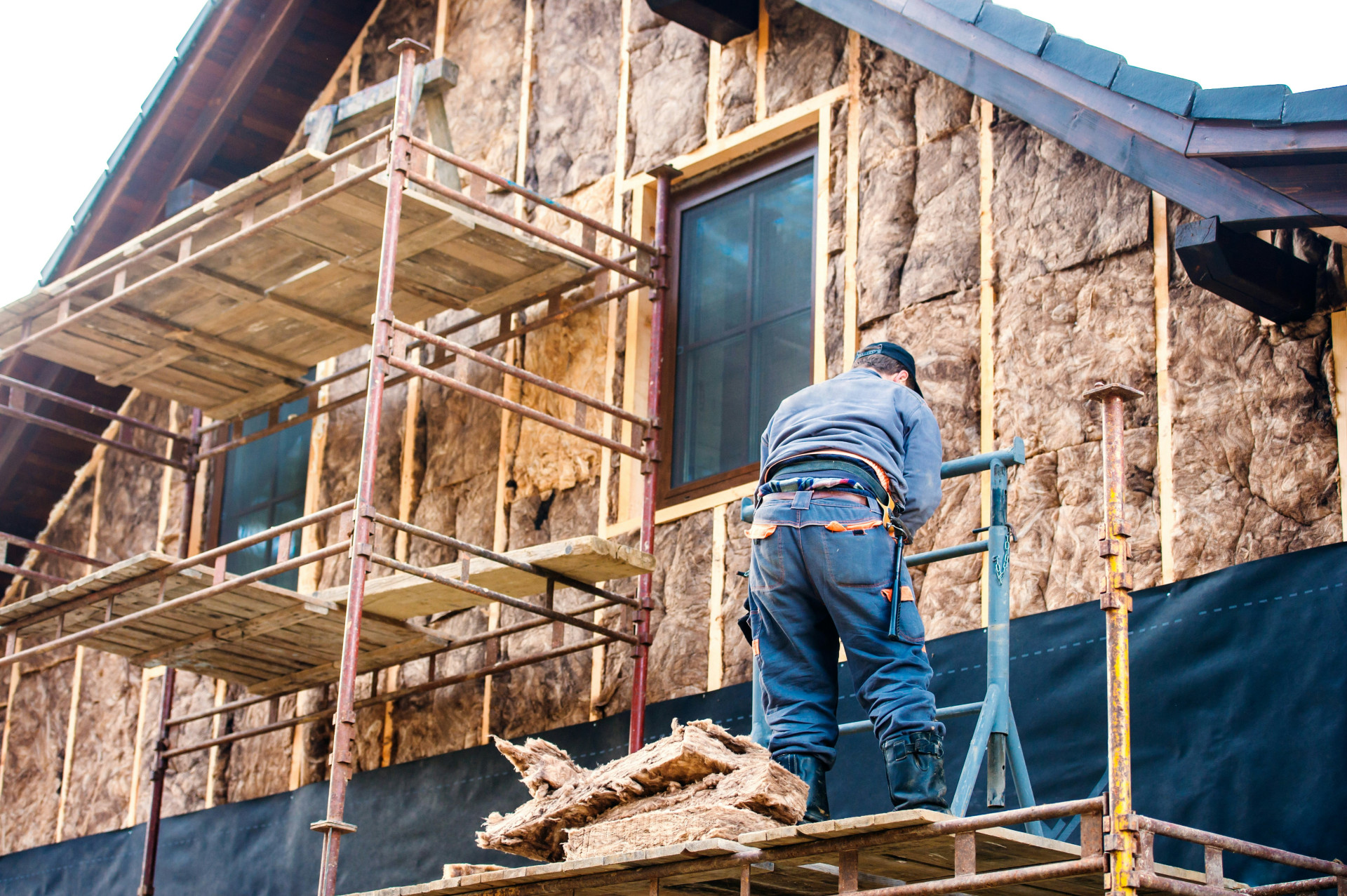
The materials used in construction play a crucial role in both operational energy use and the building’s overall carbon footprint. Materials with low embodied energy—such as sustainably sourced wood, recycled steel, or low-carbon concrete—reduce the energy required for production and transportation.
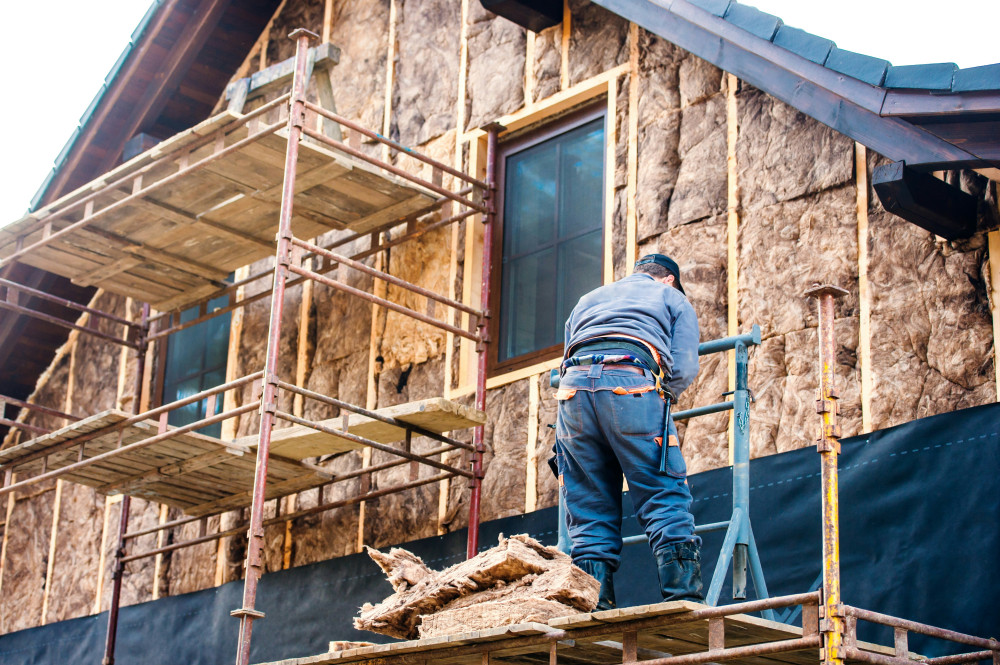
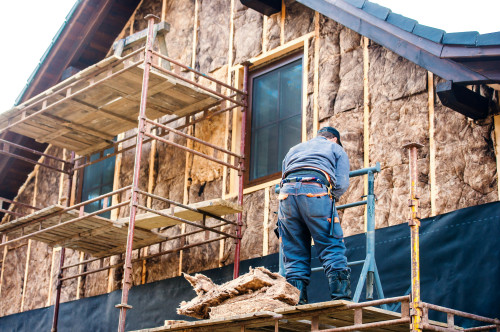
Durability matters just as much. A cheaper material that needs frequent replacement or maintenance can quickly erase any upfront savings. High-quality materials that last longer and contribute to stable indoor temperatures often deliver better long-term value. Insulation made from recycled or natural fibers, for example, can improve thermal performance while reducing environmental impact.
Smart Systems and Adaptive Design
Technology is transforming how commercial buildings manage energy. Advanced control systems can automatically adjust lighting, heating, and ventilation based on occupancy and time of day, ensuring that energy isn’t wasted when spaces are empty. Motion sensors, smart thermostats, and real-time monitoring tools make it easier to fine-tune performance and identify inefficiencies.
Flexibility is another key to long-term efficiency. Buildings designed to adapt to changing needs—through modular layouts, movable walls, or easily upgradable systems—can extend their lifespan and reduce the resources needed for future renovations.
Integrating Architecture and Engineering
True energy efficiency comes from the synergy between architecture, structure, and building systems. A well-designed building envelope that promotes natural ventilation, daylighting, and insulation reduces the need for mechanical systems to compensate. When architects, engineers, and contractors collaborate from the start, they can integrate technical solutions seamlessly into the design, achieving both aesthetic and functional benefits.
This integrated approach is at the heart of high-performance building standards such as LEED and ENERGY STAR, which encourage holistic thinking about how every component contributes to efficiency.
Operations and Maintenance: The Overlooked Factor
Even the most energy-efficient building can become wasteful if it’s not operated properly. Regular maintenance of HVAC systems, calibration of controls, and software updates are essential to maintaining performance. Training facility managers and maintenance staff in energy management practices ensures that the building continues to operate as intended.
Continuous monitoring and energy audits can reveal hidden inefficiencies. Many businesses discover significant savings simply by tracking their energy use and making small operational adjustments.
Læs også:
A Smart Investment for the Future
While energy-efficient construction may require higher upfront costs, the long-term benefits are undeniable. Lower utility bills, improved indoor comfort, and a stronger sustainability profile all contribute to a healthier bottom line. With federal and state incentives for green building, as well as growing corporate commitments to carbon reduction, energy efficiency is no longer optional—it’s a strategic necessity.
The best way to stop wasting energy is to plan for efficiency from day one. By combining smart design, responsible material choices, and proactive management, commercial buildings can become powerful tools for both business success and environmental stewardship.
Læs også: