Create Ownership: Motivate Employees to Take Responsibility for the Condition of Buildings and Facilities

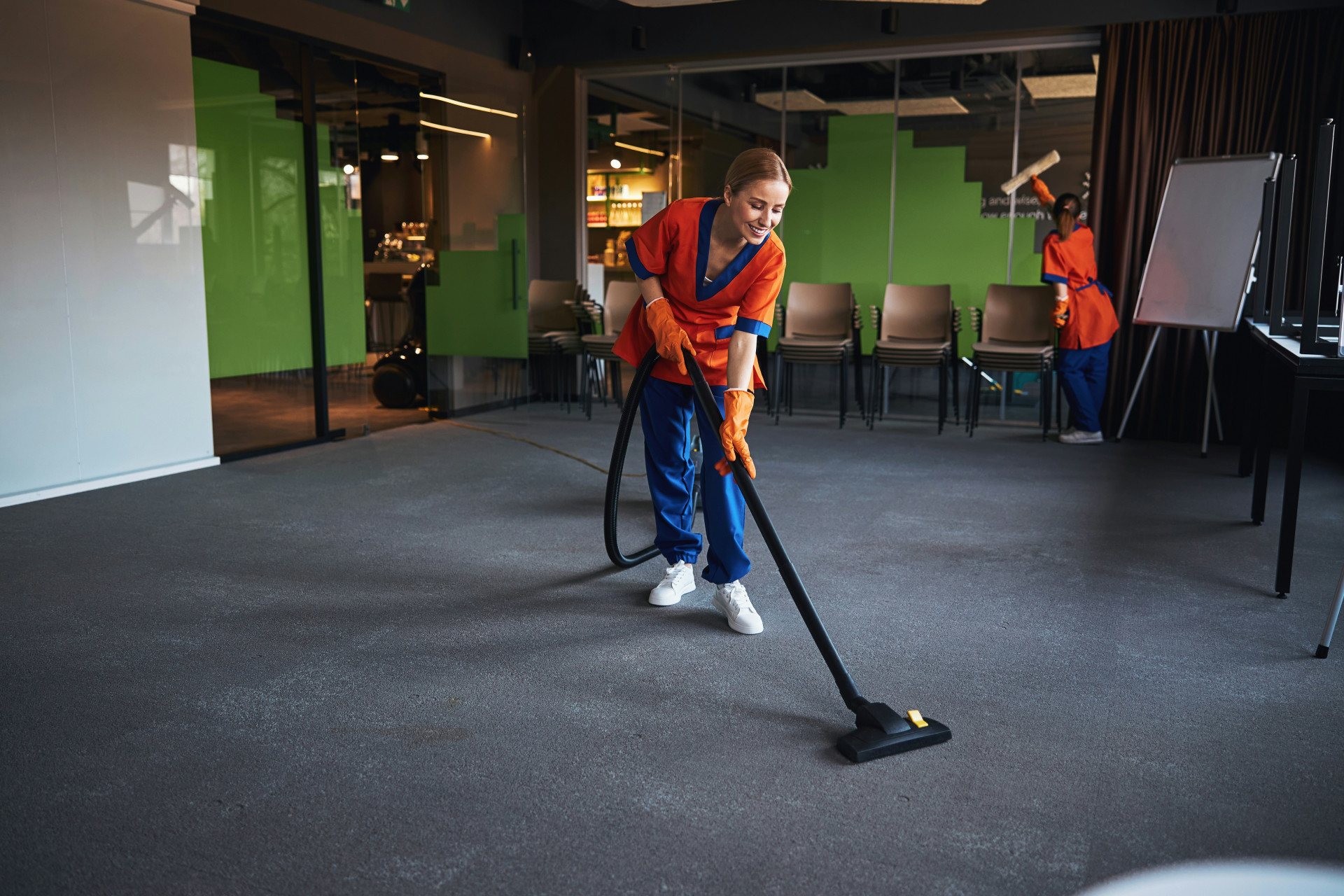
Create Ownership: Motivate Employees to Take Responsibility for the Condition of Buildings and Facilities
Keeping buildings and facilities in good condition isn’t just about maintenance schedules and budgets. It’s equally about people—the employees who use, move through, and depend on these spaces every day. When employees feel a sense of ownership, they take responsibility, act on issues before they escalate, and contribute to a safer, more efficient workplace. But how can organizations build a culture where everyone feels accountable for the condition of their environment?
From Maintenance to Shared Responsibility
In many U.S. organizations, responsibility for building upkeep sits squarely with the facilities or maintenance department. While that structure provides clarity, it can also create distance. When employees see the building as “someone else’s job,” they’re less likely to report problems or take small actions that prevent wear and tear.
Creating ownership means shifting that mindset—from viewing the facility as a service provided by others to seeing it as a shared asset. This shift requires communication, visibility, and a culture that encourages initiative.
Make the “Why” Clear
People are more motivated when they understand why something matters. If employees are to take responsibility for the condition of buildings and facilities, they need to see the connection between their actions and the organization’s success.
Explain how a well-maintained facility supports safety, comfort, and productivity. Show how small actions—like reporting a leak, turning off unused lights, or keeping shared areas tidy—add up to big results. When employees understand that their behavior directly affects the quality of their workplace, engagement grows naturally.
Recognize Effort and Provide Feedback
Ownership thrives when people see that their efforts make a difference. Make sure employees know their input is valued. This could mean using a digital reporting tool that tracks maintenance requests and shows progress, or sharing success stories in internal newsletters: “Thanks to quick action from the warehouse team, a potential equipment failure was prevented.”
Feedback is essential. When employees see that their observations lead to real results, they’re more likely to stay involved and proactive.
Make It Easy to Take Action
Even the most motivated employee can lose enthusiasm if the process for reporting or fixing issues is complicated. Systems should support ownership, not hinder it. Provide simple ways to report problems—through an app, a QR code, or a dedicated email address. Make sure everyone knows who to contact and what happens next.
Clear procedures and quick responses send a strong message: the organization values employee input. That trust encourages continued participation.
Involve Employees in Solutions
Ownership grows when employees have a voice in decisions. Consider forming cross-departmental teams to discuss facility improvements, safety, or sustainability initiatives. These groups can offer practical insights and help prioritize projects based on real user experience.
When employees help decide how shared spaces are used or which areas need attention first, they become more invested in maintaining those spaces. Participation turns responsibility into pride.
Leadership Sets the Tone
Cultural change starts at the top. When leaders show genuine interest in the condition of facilities, others follow. Simple actions—like managers reporting issues themselves, recognizing employees who take initiative, or discussing facility care in team meetings—can have a big impact.
Leaders should also make expectations clear: taking care of the workplace isn’t extra work, it’s part of how the organization operates. When that mindset becomes part of daily routines, it becomes self-sustaining.
Læs også:


From Responsibility to Pride
When employees feel empowered to make a difference and see that their efforts are appreciated, pride naturally follows. They begin to see the workplace as “our space,” not just “the company’s space.” That sense of ownership is invaluable—it leads to better maintenance, higher morale, and a stronger sense of community.
Ultimately, creating ownership is about connecting people to the physical environment they share. When that connection is strong, buildings aren’t just maintained—they’re cared for.
Læs også: