Learn from Each Other: Short Training Courses and Experience Sharing Strengthen Workplace Environment Skills


Learn from Each Other: Short Training Courses and Experience Sharing Strengthen Workplace Environment Skills
A healthy and safe workplace doesn’t just come from policies and procedures—it grows from people who share knowledge, experiences, and solutions. Across the United States, more organizations are discovering that short, practical training sessions and structured experience sharing can significantly strengthen employees’ workplace environment skills. The goal is to make learning a natural part of everyday work, not an occasional event.
Learning in Small Doses – With Big Impact
Traditional training programs can be time-consuming and difficult to apply in daily routines. That’s why short learning sessions—often called microlearning—are gaining popularity. These can take the form of brief workshops, online modules, or hands-on exercises lasting 15–30 minutes, giving employees concrete tools to handle workplace challenges.
The advantage is that learning becomes directly connected to real work situations. For example, when a team participates in a short session on safe lifting techniques, they can immediately apply what they’ve learned on the job. This quick feedback loop helps build confidence, reinforces good habits, and motivates continued improvement.
Experience Sharing as a Driving Force
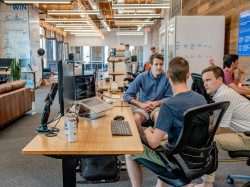
Another key element in developing workplace environment skills is experience sharing. When coworkers exchange ideas about how they solve tasks safely and efficiently, knowledge becomes practical and relevant. This can happen in many ways—from informal conversations during breaks to structured meetings where employees present short case examples from their daily work.
Some companies have introduced regular “safety minutes” or “wellness check-ins” during team meetings, where a specific topic is discussed, and everyone can contribute their experiences. This approach builds ownership and shared responsibility for safety and well-being. It also reinforces the idea that maintaining a good work environment is not just management’s job—it’s a collective effort.
The Role of Leadership: Creating Space for Learning
For short training sessions and experience sharing to succeed, leadership must prioritize time and structure for them. This doesn’t necessarily require large investments, but it does require a culture that values learning and open dialogue.
When leaders actively participate in learning activities and show genuine interest in employees’ input, it sends a powerful message. It demonstrates that workplace well-being is taken seriously and that every contribution matters. Many organizations find that engagement grows when employees see their ideas and experiences being used to improve the workplace.
From Knowledge to Action
One of the biggest challenges in workplace safety and well-being is turning knowledge into action. Short, focused learning sessions and peer-to-peer sharing can be the key. When learning happens in small, practical steps, it becomes easier to change habits and maintain new routines.
For instance, in industries like healthcare, hospitality, or logistics—where employees often work independently or on different shifts—short online courses combined with digital discussion forums have proven effective. Workers can share photos, ask questions, and get quick feedback, allowing them to learn from each other even when they’re not in the same location.
Læs også:



A Culture That Grows Together
Ultimately, a strong workplace environment is about culture. When learning and experience sharing become part of everyday work, both employees and organizations evolve continuously. This not only improves safety and well-being but also fosters professional pride and teamwork.
Learning from each other is a simple idea—but one with powerful results. It only takes a willingness to open the door to dialogue, share what you know, and see learning as something that happens every day, together.
Læs også: