Match Cleaning Quality to the Environment – From Offices to Healthcare Facilities


Match Cleaning Quality to the Environment – From Offices to Healthcare Facilities
Cleaning is not just about removing dirt. It’s about creating safe, healthy, and functional spaces that fit the purpose of the environment. The standards for cleaning quality vary greatly between an office, a school, and a hospital. That’s why it’s essential to tailor cleaning efforts — for the sake of hygiene, safety, and cost efficiency.
One Environment – One Standard? Not Quite
There is no single cleaning standard that fits every type of facility. An office where administrative staff work requires a very different approach than an operating room, where even microscopic contamination can pose a serious risk.
In the U.S., many cleaning companies use multi-level quality systems, often guided by standards such as APPA (for educational facilities) or ISSA’s Cleaning Industry Management Standard (CIMS). These frameworks help assess cleaning quality based on visible cleanliness, hygiene risk, and user needs. This makes it possible to fine-tune cleaning efforts — avoiding both over-cleaning and under-cleaning.
Læs også:

Offices: Supporting Well-Being and Productivity
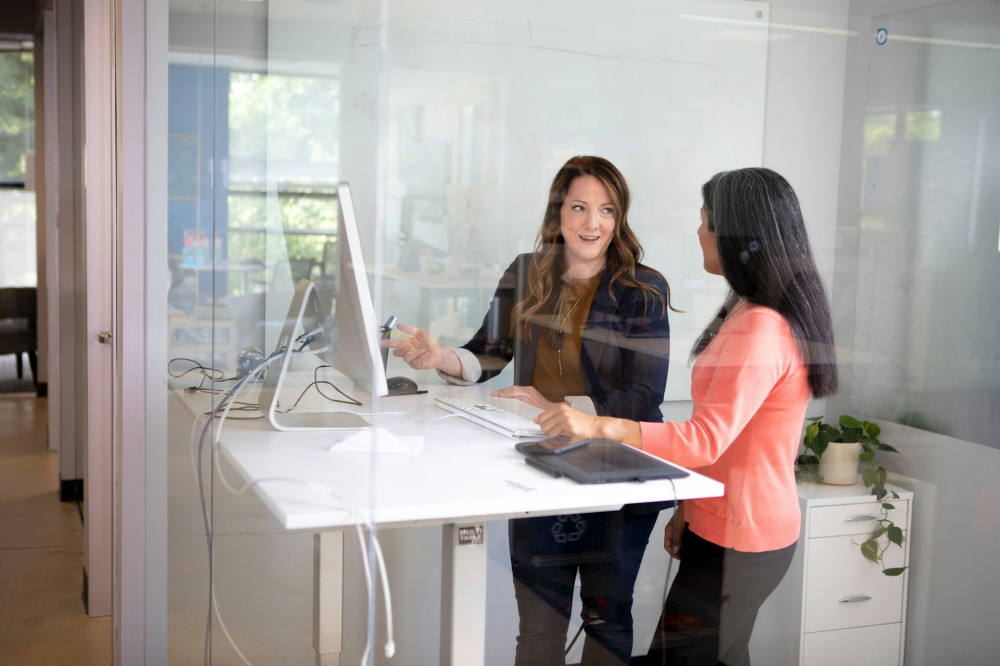
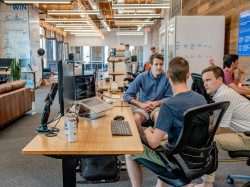
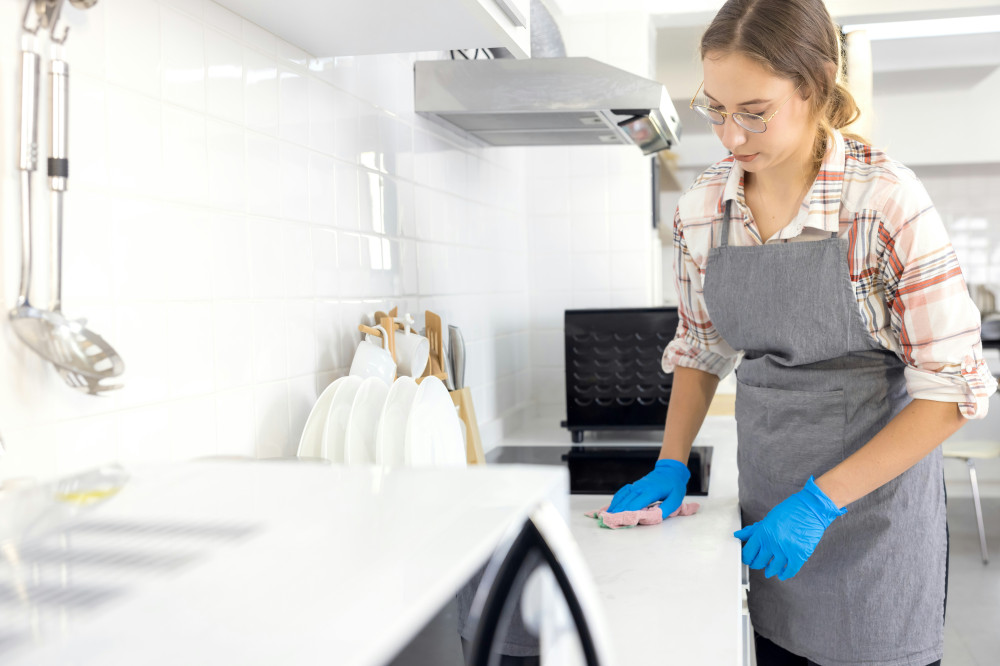
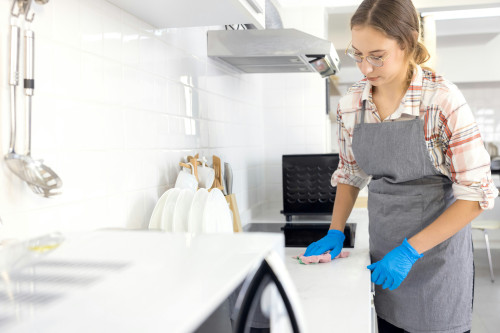
In office environments, cleaning is closely tied to employee comfort and performance. Dust, fingerprints, and poor air quality can affect concentration and health. At the same time, cleaning must be efficient and minimally disruptive.
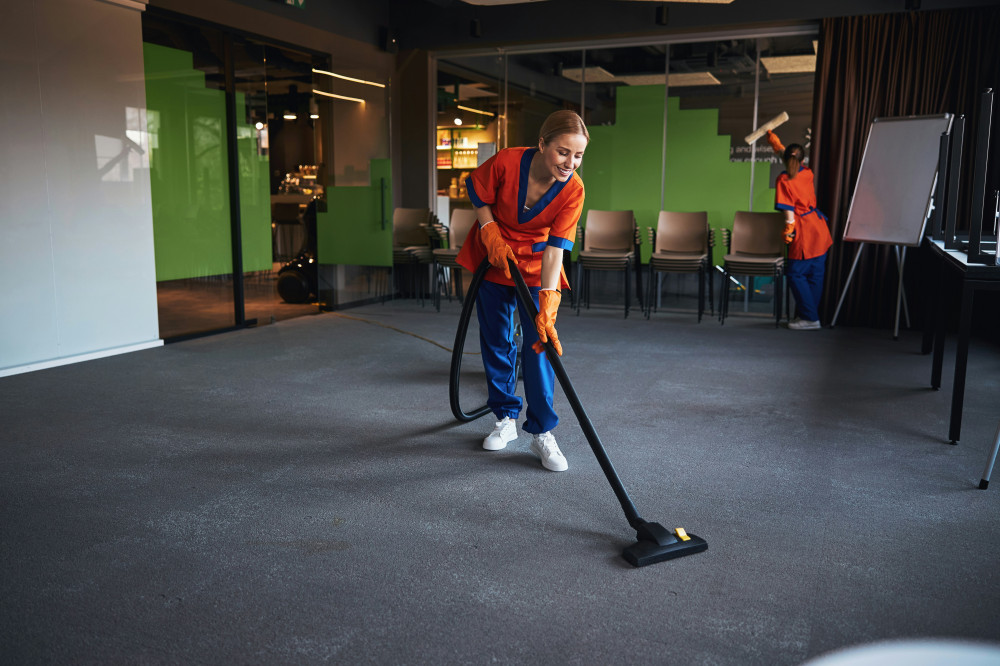
Here, frequency and flexibility are key. High-traffic areas like restrooms and break rooms need daily attention, while less-used spaces may only require cleaning a few times a week. Many U.S. companies now prioritize green cleaning practices, using low-VOC products, microfiber technology, and energy-efficient equipment to reduce chemical use and environmental impact.
Schools and Childcare Facilities: Balancing Hygiene and Learning
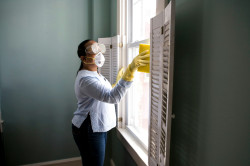
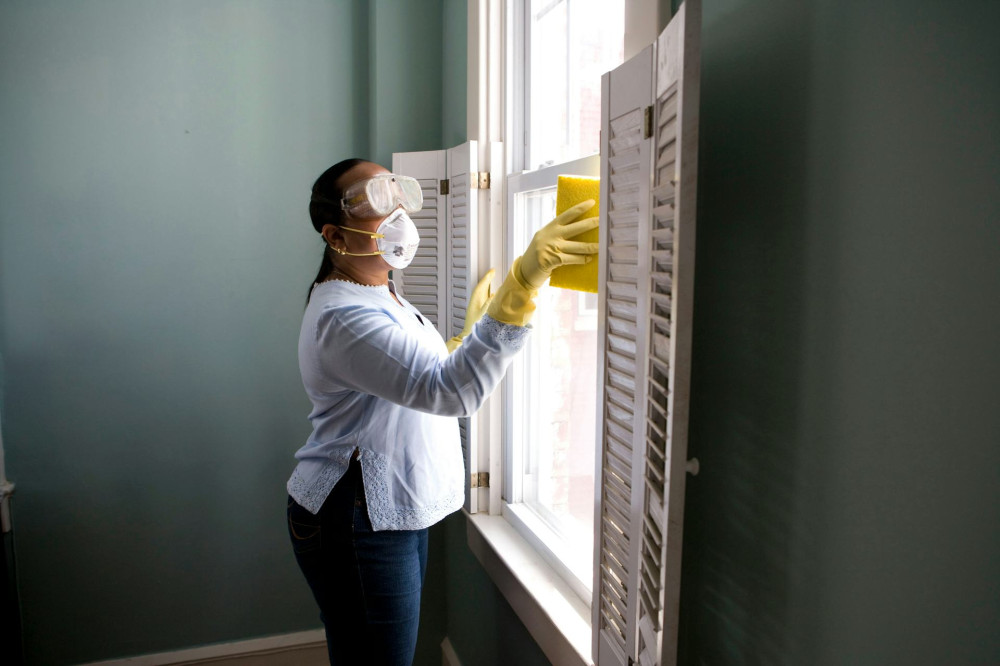
In schools, daycare centers, and other educational settings, cleaning plays a vital role in preventing illness. Children are more vulnerable to germs, and shared surfaces like desks, toys, and gym equipment can easily spread infections. Cleaning must also be scheduled to avoid disrupting learning activities.
The key is to combine thorough cleaning with awareness of health and behavior. Staff should understand how germs spread and be able to adjust cleaning intensity during flu season or outbreaks. Open communication between cleaning teams and school administrators helps maintain a safe and supportive environment for students and staff alike.
Healthcare Facilities: When Cleanliness Is Critical
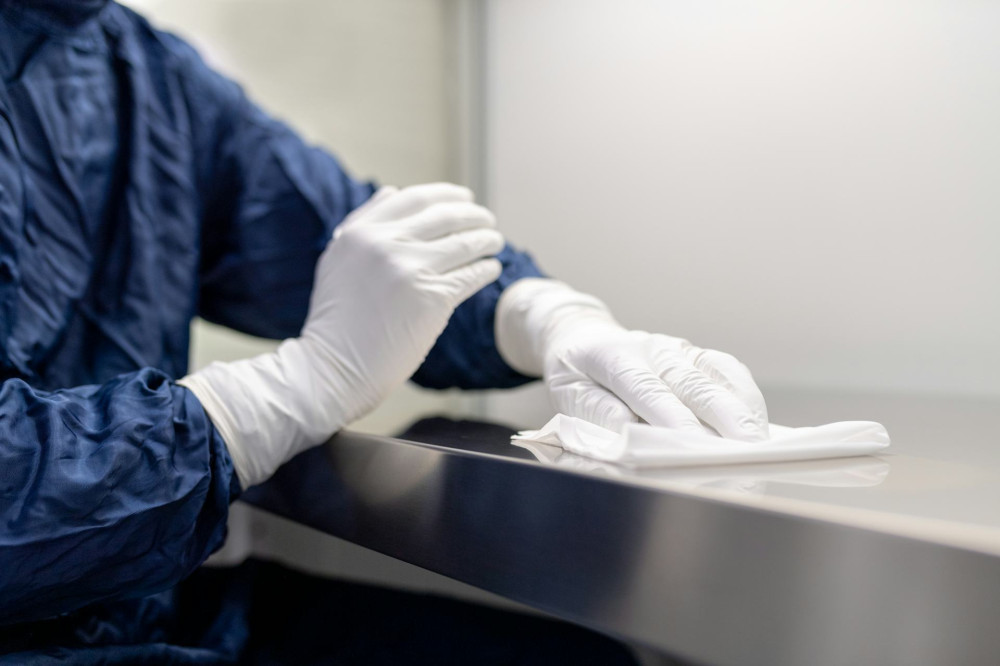
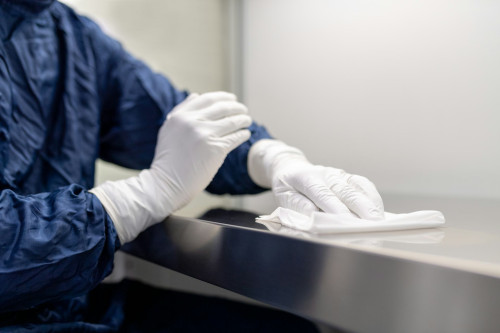
In hospitals, clinics, and long-term care facilities, cleaning quality can literally be a matter of life and death. Here, the goal is not just appearance but infection prevention. Even small lapses in cleaning routines can have serious consequences for patients and healthcare workers.
That’s why these environments demand strict training, documentation, and quality control. Cleaning staff must understand infection control principles, proper use of disinfectants, and safe waste handling. Many facilities use color-coded tools to prevent cross-contamination between clean and contaminated zones.
Technology is also transforming healthcare cleaning — from UV disinfection systems to sensors that monitor cleaning needs in real time. These innovations help ensure consistent quality while optimizing labor and resources.
Manufacturing and Food Environments: Precision and Compliance
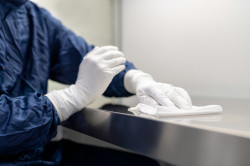
In manufacturing and food processing, cleaning is part of the production process itself. Facilities must comply with strict hygiene standards such as HACCP or FDA regulations, where even minor contamination can lead to shutdowns or product recalls.
Cleaning in these settings requires specialized knowledge and coordination between cleaning crews and technical staff. Schedules must align with production cycles, and every step must be documented. Often, cleaning takes place overnight to ensure operations can resume smoothly the next day.
Tailoring Cleaning for Quality and Sustainability
Adapting cleaning quality to the environment isn’t just about meeting standards — it’s about using resources wisely. By analyzing usage patterns, hygiene risks, and occupancy data, organizations can optimize time, chemical use, and energy consumption.
That means the right cleaning in the right place delivers not only a cleaner environment but also a more sustainable and cost-effective outcome.
The Future of Cleaning: Data, Technology, and Human Expertise
Digital tools and smart sensors now make it possible to measure and document cleaning quality like never before. Yet, even as technology advances, people remain at the heart of quality cleaning. Skill, accountability, and communication are still the foundation of good results — whether in an office, a school, or a hospital.
Matching cleaning quality to the environment is therefore not just a technical task, but a strategic decision that impacts health, well-being, and the bottom line.
Læs også: